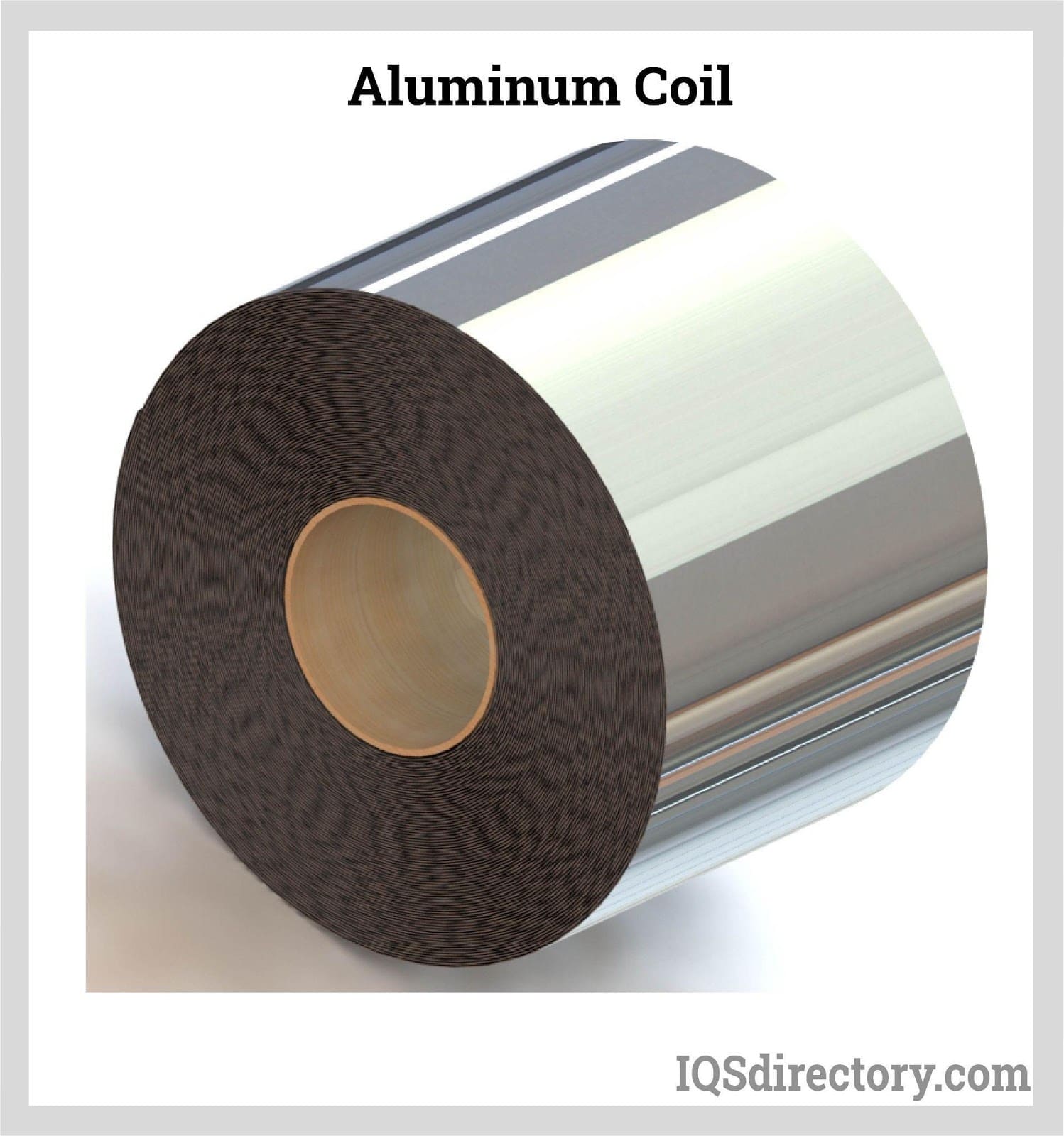
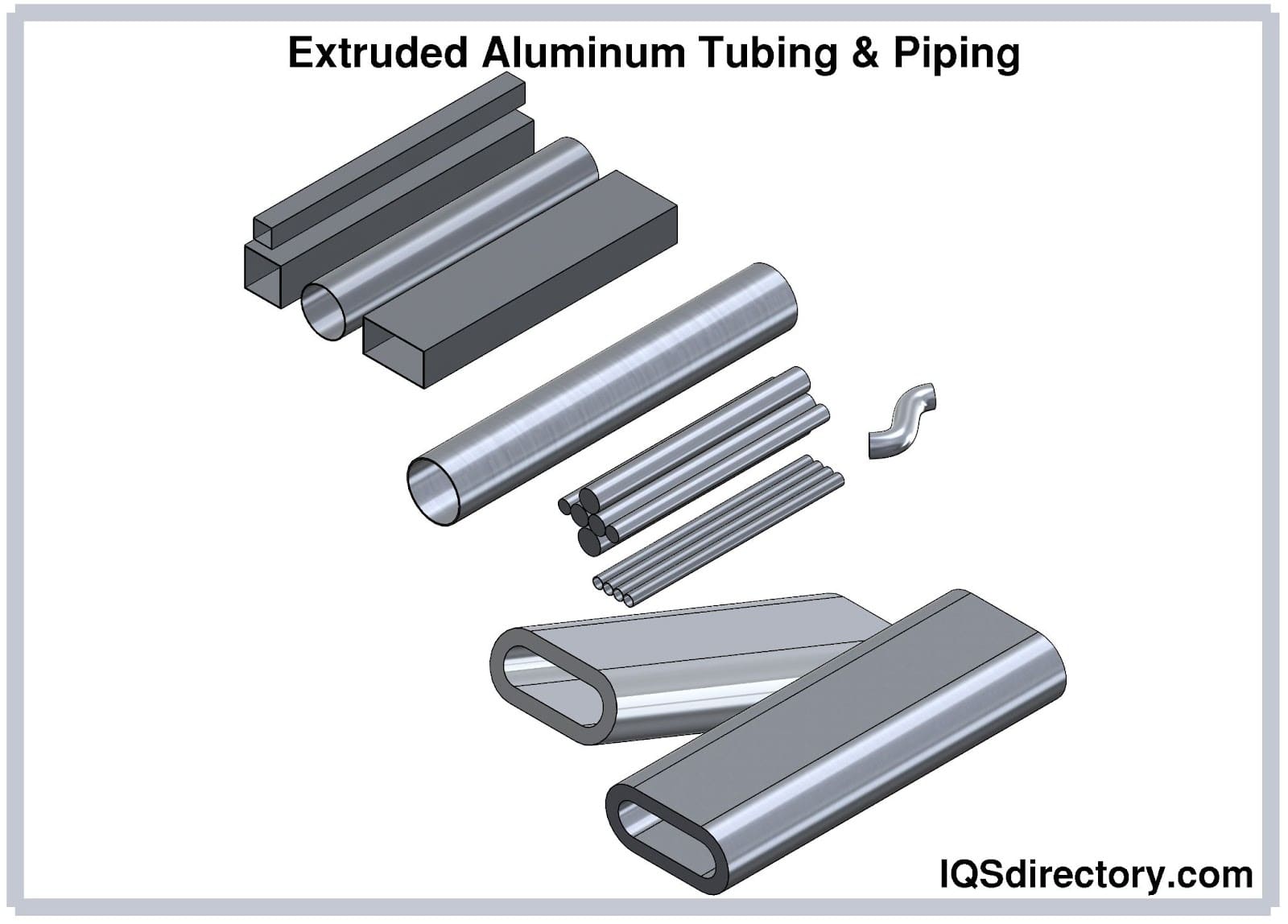
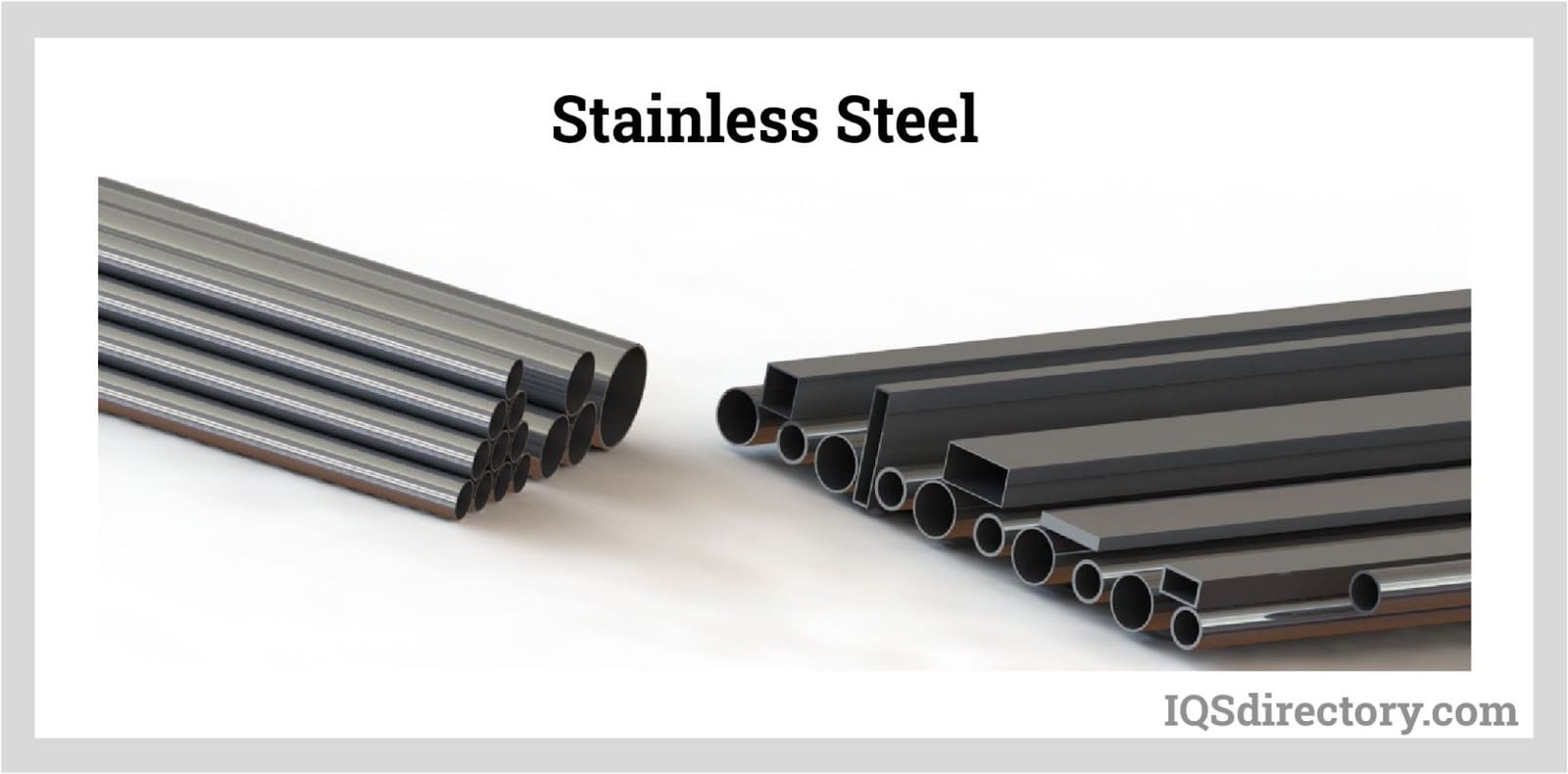
What may be more impressive is that titanium is about 45% lighter than steel while having equal if not better strength. On top of that titanium is roughly twice as strong as another common metal alloy aluminum. No matter what type of solution you are looking to fill, titanium and titanium prices provide a number of advantages that other metals simply cannot meet. Read More…
All Titanium Metals is a leader in the titanium industry, embodying a commitment to excellence as your trusted titanium supplier. In our unwavering pursuit of providing top-notch commercially pure-grade titanium products, we take immense pride in our high quality products.
At Sierra Alloys, we have built our reputation around the strength, versatility, and precision of titanium. We dedicate ourselves to delivering high-quality titanium products that serve industries where performance, durability, and reliability are non-negotiable.

At Cada Stainless & Alloys, we specialize in supplying high-performance titanium and specialty metal solutions for industries that demand exceptional strength, corrosion resistance, and long-term reliability. We work closely with customers who require titanium materials for challenging environments, including aerospace, chemical processing, marine, medical, and advanced industrial applications.
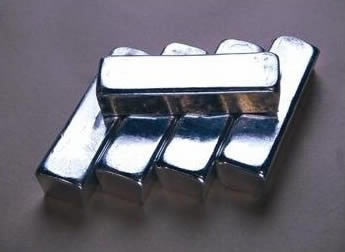
Service Steel Aerospace (SSA) is one of the largest titanium distributors in the World. SSA stocks titanium rounds, plate, block, billet, and ingot for the Aerospace and Defense markets, as well as other critical industries. We rely on our vast inventory to offer quick deliveries. SSA places the highest value on quality and customer service. SSA also offers value added processing such as cut to...

At Tricor Metals, we have built our reputation as a trusted partner in titanium products and solutions by combining material expertise with advanced fabrication capabilities. We work closely with customers across demanding industries to deliver titanium that meets exacting performance, durability, and safety standards.

At Reliable Source Inc., we have built our reputation on being a dependable partner for customers who require precision titanium products and expert support for critical applications. From the start, we have focused on combining material expertise with an unwavering commitment to quality, allowing us to deliver titanium solutions that perform under the most demanding conditions.
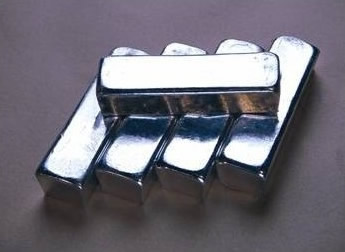
Diversified Industrial Products is a leading distributor of high-quality titanium tubing, titanium wire, titanium plate, titanium bars and titanium ingots. We serve a wide range of industries and markets with high-quality, durable titanium. Diversified Industrial has more than 25 years of experience.






More Titanium Price Suppliers
Titanium Applications, Benefits, and Industry Uses: An In-Depth Guide
Titanium is a highly versatile and sought-after metal, recognized for its exceptional strength-to-weight ratio, high melting and boiling points, and outstanding resistance to corrosion. These unique properties position titanium as a material of choice across a diverse array of industries, ranging from aerospace and automotive engineering to medical devices and consumer products. Whether you are researching titanium for a specific project or evaluating options for industrial manufacturing, understanding the applications, benefits, and key considerations associated with titanium can guide your decision-making process and help you source the right titanium products for your needs.
What Makes Titanium Unique? Key Properties and Advantages
Titanium's widespread use can be attributed to its remarkable physical and chemical properties, which include:
- High strength-to-weight ratio: Titanium is as strong as steel but about 45% lighter, making it ideal for applications where weight savings are critical.
- Outstanding corrosion resistance: Unlike many metals, titanium naturally forms a protective oxide layer, preventing rust and degradation even in harsh environments (including seawater and acidic conditions).
- Biocompatibility: Titanium is non-reactive with human tissue and bone, allowing for safe implantation in medical and dental applications.
- High melting and boiling points: With a melting point of over 1,670°C (3,038°F), titanium performs reliably in high-temperature settings.
- Low thermal expansion: Titanium maintains dimensional stability even under extreme temperature changes.
- Ability to alloy: Titanium readily combines with other metals to form titanium alloys, offering a broad range of mechanical and chemical properties for specialized applications.
These characteristics make titanium a preferred material in numerous high-performance, safety-critical, and innovative sectors. Its unique combination of lightweight durability, resistance to environmental factors, and compatibility with biological systems sets it apart from alternatives such as stainless steel, aluminum, and nickel-based alloys.
Industry Applications of Titanium: Where Is Titanium Used?
Are you wondering where titanium is used and what makes it so valuable for modern manufacturing and engineering? Explore the most common and impactful titanium applications across key industries:
Aerospace and Aviation
Titanium is a cornerstone material in the aerospace industry. Its high strength, low density, and corrosion resistance make it ideal for aircraft components that must withstand extreme conditions. Typical uses include:
- Jet engine parts (compressor blades, discs, and casings)
- Airframe structures (landing gear, wing supports, fasteners)
- Spacecraft components (satellite structures, rocket engine nozzles)
Engineers select titanium alloys for their ability to reduce overall aircraft weight, which improves fuel efficiency and payload capacity. If you're searching for aerospace-grade titanium suppliers or comparing titanium to aluminum and composites for critical flight parts, understanding these application areas is key.
Automotive and Motorsports
How does titanium improve automotive and motorsport performance? In high-end vehicles, racing cars, and motorcycles, titanium is prized for weight reduction and superior mechanical properties. Applications include:
- Exhaust systems and mufflers (resistant to heat and corrosion)
- Suspension springs and connecting rods (lightweight and strong)
- Fasteners, valves, and engine components
- Custom and performance parts for NASCAR, Formula 1, and other motorsports
Automotive engineers and enthusiasts value titanium’s ability to enhance acceleration, braking, and handling. If you're evaluating titanium vs. steel or titanium vs. aluminum for racing applications, consider both performance gains and long-term durability.
Medical and Dental Devices
Titanium’s biocompatibility, non-reactivity, and resistance to bodily fluids make it indispensable in the medical field. It is widely used in:
- Orthopedic implants (hip and knee replacements, bone plates, screws, pins)
- Dental implants and crowns
- Surgical instruments (scalpels, forceps, retractors)
- Pacemaker cases and other implantable devices
Are you a medical device manufacturer or healthcare provider seeking reliable, long-lasting implant materials? Titanium’s proven safety record, compatibility with imaging technologies (such as MRI), and ability to bond with bone make it the top choice for critical healthcare applications.
Military and Defense
The military leverages titanium’s superior strength, resilience, and non-magnetic properties for a variety of defense applications. These include:
- Armored vehicle components
- Missile and rocket casings
- Naval vessels and submarine hulls (notably used by Russian submarines during the Cold War to enable deeper dives due to titanium's pressure tolerance)
- Protective armor and ballistic plates for personnel
- Helicopter rotors and critical fasteners
Military procurement teams and defense contractors often specify titanium for mission-critical systems where reliability and performance in extreme environments are non-negotiable. Are you comparing titanium alloys for defense applications or evaluating suppliers for government contracts? Understanding the unique performance requirements is essential.
Industrial and Chemical Processing
Titanium’s corrosion resistance extends to aggressive chemicals and high-temperature processes, making it vital in:
- Heat exchangers and condensers
- Pumps, valves, and piping systems (including industrial titanium welded pipe and seamless tubing)
- Desalination plants
- Petrochemical and power generation equipment
- Chlor-alkali production facilities
Plant managers and process engineers often choose titanium over stainless steel or nickel alloys when system longevity and low maintenance are priorities. If you’re sourcing titanium piping for a new installation, consider factors such as operating environment, pressure requirements, and regulatory compliance.
Consumer Products and Jewelry
Why is titanium popular in consumer goods and fashion? Beyond its technical uses, titanium’s lustrous appearance, hypoallergenic nature, and ability to be anodized into vibrant colors have made it a favorite in:
- Rings, wedding bands, and fine jewelry
- Eyeglass frames
- Watches and wearable tech
- High-end sporting goods (bicycle frames, golf clubs, camping gear)
- Premium consumer electronics (laptop cases, smartphones)
Consumers shopping for titanium jewelry or durable lifestyle products are drawn to its modern look, lightweight feel, and resistance to tarnishing. If you're evaluating titanium vs. gold, platinum, or stainless steel for personal accessories, consider both functional and aesthetic factors.
Types of Titanium: Grades, Alloys, and Forms
When selecting titanium for your application, it’s essential to understand the different titanium grades and alloys available. Each type is engineered for specific performance characteristics, cost, and manufacturability.
- Commercially Pure Titanium (Grades 1-4): These grades offer excellent corrosion resistance and ductility, commonly used in chemical processing, marine, and medical applications.
- Titanium Alloy Grade 5 (Ti-6Al-4V): The most widely used titanium alloy, balancing strength, corrosion resistance, and workability. Popular in aerospace, automotive, and surgical implants.
- High-strength and specialty alloys: Grades such as Grade 23 (ELI), Grade 7 (with palladium for enhanced corrosion resistance), and Beta alloys are tailored for advanced engineering and high-performance requirements.
Do you need guidance on choosing the right titanium alloy for your project? Consult with experienced titanium manufacturers or material engineers to match the alloy's mechanical and chemical properties to your application’s demands.
How to Source Titanium: Buying Considerations and Supplier Selection
When it comes to purchasing titanium, several factors influence both the cost and suitability for your intended use. Understanding these decision points will help you make informed choices and maximize your investment:
- Grade and alloy selection: The specific titanium grade or alloy impacts mechanical properties, corrosion resistance, and price.
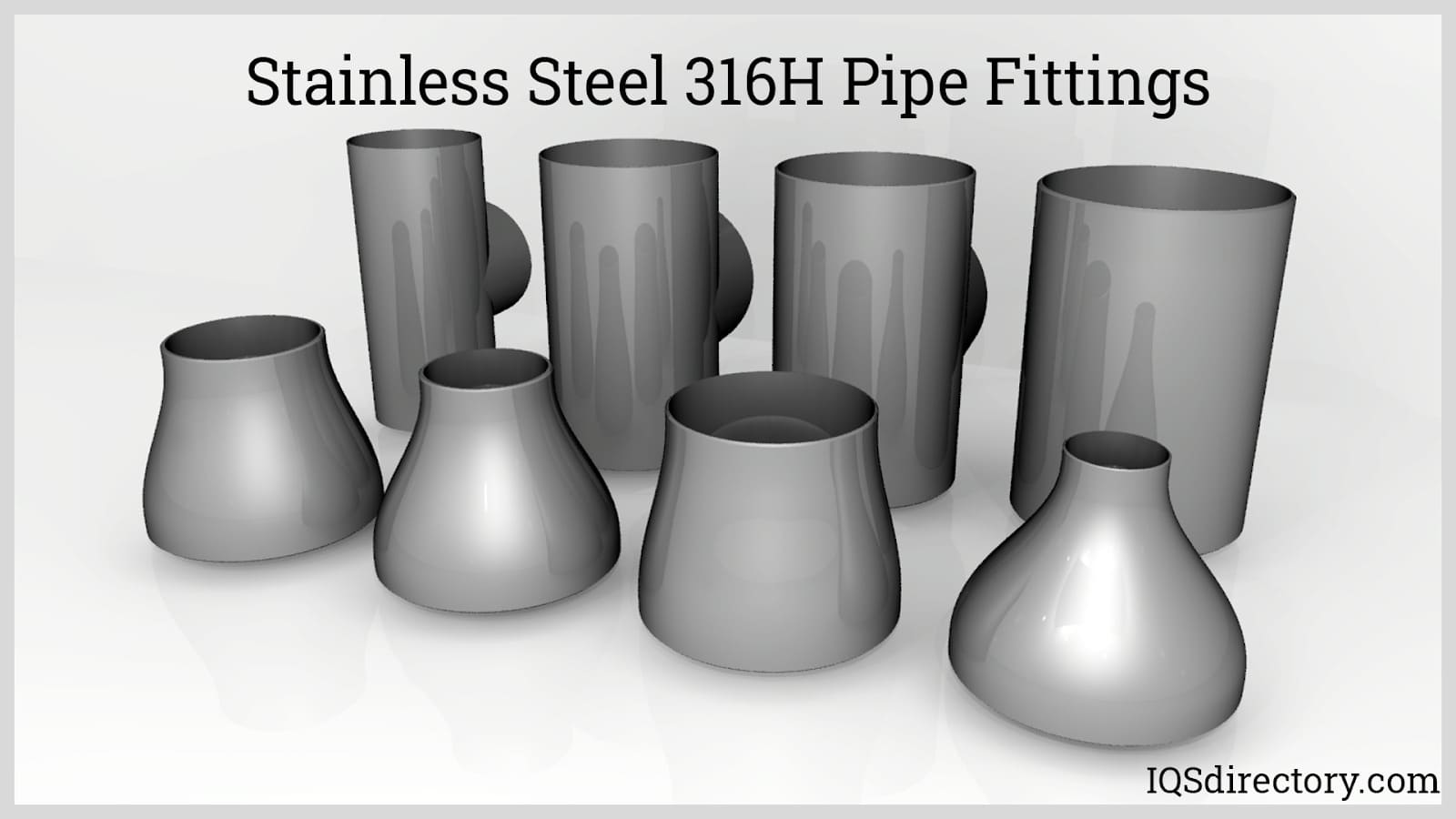
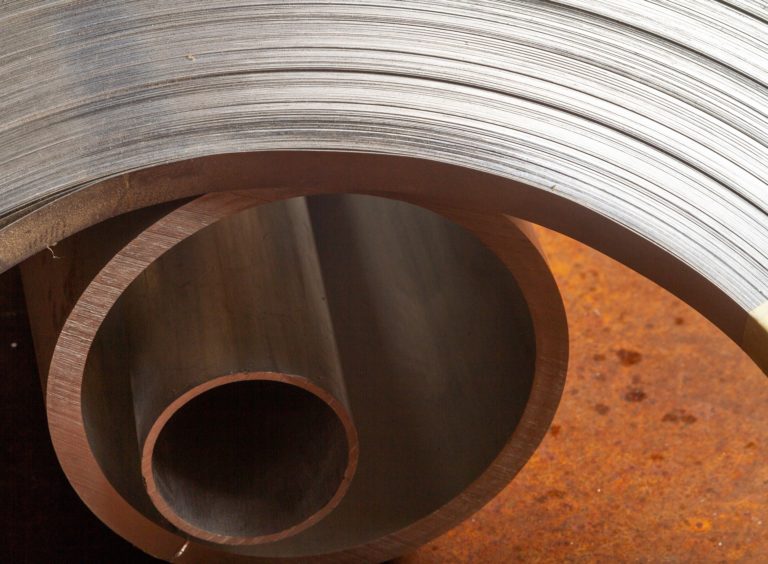
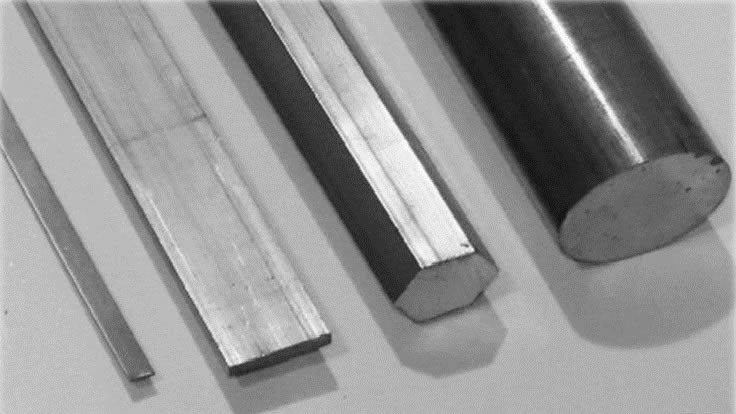
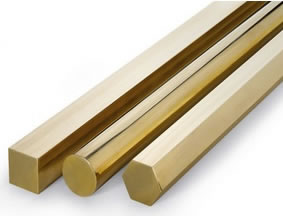
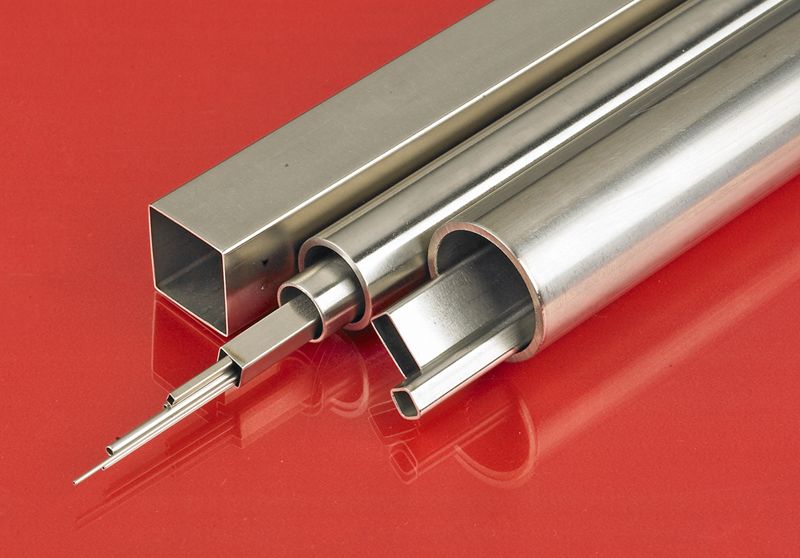
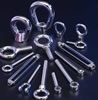
- Form factor: Titanium is available as bar, sheet, plate, wire, tube, welded or seamless pipe, and custom machined components.
- Quantity and dimensions: Bulk purchasing, custom sizes, and precision tolerances may affect lead times and pricing.
- Certifications and traceability: Especially important for aerospace, medical, and defense applications—ensure your supplier meets industry standards like ASTM, ISO, or specific regulatory requirements.
- Surface finish and processing: Options include mill finish, anodizing, polishing, and custom coatings for specialized applications.
- Logistics and delivery: Consider shipping, handling, and storage requirements for titanium products, especially for large, heavy, or sensitive parts.
How do you choose the best titanium supplier? Look for established titanium manufacturers with proven quality control, technical support, and a track record of supplying to your industry. Request material test reports (MTRs) and ask about their capability to provide custom alloys or fabricated components.
To get an accurate quote or discuss your specific project requirements, contact a titanium manufacturer who understands your industry and can offer material selection advice, pricing, and delivery options.
Benefits of Titanium: Why Choose Titanium Over Other Metals?
Still considering whether titanium is the right choice for your project? Here are some of the key benefits that drive buyers, engineers, and specifiers to select titanium over alternatives:
- Lightweight durability: Achieve significant weight reduction without sacrificing strength or reliability.
- Extended service life: Superior resistance to corrosion, fatigue, and wear ensures longer-lasting components and lower lifecycle costs.
- Health and safety: Biocompatibility and non-toxicity make titanium safe for medical, food processing, and consumer applications.
- Temperature performance: Maintains mechanical integrity across a wide range of temperatures, ideal for both cryogenic and high-heat environments.
- Low maintenance: Less prone to rust and degradation, reducing the need for frequent repairs or replacements.
- Design flexibility: Available in numerous forms and alloys, suitable for welding, machining, and forming into complex shapes.
If your project requires advanced materials that deliver on performance, longevity, and safety, titanium is often the superior choice. Compare it to stainless steel, aluminum, or specialty alloys to see where titanium excels for your intended application.
Frequently Asked Questions About Titanium
- How much does titanium cost? Titanium prices fluctuate based on grade, alloy, form, market demand, and processing requirements. For up-to-date pricing or a custom quote, contact a titanium supplier with your specific needs.
- Is titanium magnetic? Pure titanium is non-magnetic. Some alloys may exhibit slight magnetism depending on their composition, but titanium is generally considered non-magnetic.
- Can titanium be welded? Yes, titanium can be welded using specialized techniques. Proper shielding and contamination control are essential for high-quality welds, especially in aerospace and medical applications.
- Is titanium recyclable? Absolutely. Titanium is fully recyclable, and using recycled titanium helps lower production costs and environmental impact.
- What industries use the most titanium? Aerospace, medical, defense, chemical processing, automotive, and consumer products are the leading sectors for titanium consumption worldwide.
Ready to Get Started With Titanium?
Whether you are an engineer, product designer, procurement manager, or enthusiast, titanium offers unparalleled performance and versatility for your next project. From titanium alloys for aerospace to custom titanium jewelry and industrial piping, the possibilities are virtually endless.
To learn more about titanium grades, applications, and sourcing options, explore our in-depth resources or contact leading titanium manufacturers today for technical support, material selection guidance, and competitive pricing.
Explore More About Titanium
Have more questions about titanium? Reach out to our experts for personalized advice or to request a comprehensive quote tailored to your project’s needs.